


When someone searches for “hotel near me” or “restaurants near me,” they are not casually browsing. They are signaling immediate intent. For hotels and restaurants, showing up in those moments can mean the difference between an empty night and a fully booked one.
That is why SEO for hospitality businesses near me is no longer optional. Local search visibility has become one of the most reliable drivers of direct bookings, foot traffic, and repeat customers. In this article, we will walk through how hotels and restaurants can build a strong local SEO foundation, why it works, and how to measure success over time.

Local SEO for hotels revolves around one core goal: helping search engines clearly understand where your hotel is, who it serves, and why it is relevant to nearby searchers.
Search engines prioritize hotels that consistently send strong local signals. These include a well-optimized Google Business Profile, accurate listings across trusted platforms, location-specific website content, and an ongoing stream of authentic guest reviews. When these elements work together, they reinforce trust and relevance.
Hotels that neglect even one of these areas often struggle to appear in the Google Map Pack, which captures a significant share of high-intent searches. The strongest-performing hotel websites treat local SEO as an ongoing system rather than a one-time setup.
For many travelers, your Google Business Profile is the first interaction they will have with your brand. Before they ever visit your website, they are seeing your photos, reading your reviews, checking your amenities, and comparing you to nearby competitors.
An optimized profile starts with selecting the correct primary category and filling out every relevant attribute. Amenities like parking, Wi-Fi, pet policies, and accessibility features matter more than many hotel operators realize. These details help Google match your listing to specific traveler needs.
Equally important is the written description. This is not the place for generic marketing copy. Instead, focus on describing your hotel in relation to its surroundings. Mention nearby attractions, neighborhoods, and landmarks naturally. This reinforces relevance for “near me” searches while also helping guests visualize their stay.

Search engines cross-reference information from multiple sources to validate your business. That is why local listings matter.
For hotels, platforms like Google Business Profile, Apple Maps, Yelp, TripAdvisor, Booking.com, and Expedia all act as trust signals. When your hotel information is consistent across these platforms, search engines gain confidence that your business is legitimate and accurately represented.
Beyond rankings, these listings also influence traveler decision-making. Many guests will check multiple platforms before booking. Ensuring your presence is complete and accurate everywhere protects both visibility and credibility.
Restaurant SEO operates on a faster cycle than hotel SEO. Customers are often making same-day or same-hour decisions, especially on mobile.
To compete, restaurants must stay current. That means keeping hours accurate, updating menus, and publishing timely information around events, specials, and seasonal offerings. Google favors restaurants that demonstrate activity and relevance.
Restaurants that actively manage their online presence tend to appear more frequently for neighborhood-based searches, especially when paired with strong review engagement and localized content.
For restaurants, small details compound quickly. Adding your full menu directly to your Google Business Profile helps Google understand what you serve and when you are relevant. Encouraging customers to upload photos builds visual trust and increases engagement signals.
Responding to reviews is another often-overlooked factor. When restaurant owners respond thoughtfully and consistently, it sends quality signals to both users and search engines. Over time, this can improve visibility in competitive local results.
Content marketing allows restaurants to compete beyond their immediate address. By publishing locally relevant content, restaurants signal deeper community relevance.
A neighborhood dining guide, an event recap, or a feature on a seasonal menu can all attract local links and engagement. These signals strengthen topical authority and make it easier for search engines to associate your restaurant with your city or neighborhood.
Unlike generic blog posts, locally focused content continues to drive value long after publication.
Hotels rely heavily on third-party booking platforms, but content marketing offers a way to regain control. By publishing helpful, location-based content, hotels can attract travelers earlier in the planning process and guide them toward direct bookings.
Search engines reward this kind of content because it aligns with user intent. Travelers are searching for things to do, places to eat, and logistics around their stay. Hotels that answer these questions naturally position themselves as the best choice.
The most effective hotel content focuses on utility. Local attraction guides, transportation tips, event calendars, and dining recommendations all serve practical traveler needs.
This type of content performs well because it is inherently local. It connects your hotel to its surroundings, reinforcing relevance for seo for hospitality businesses near me without sounding forced or promotional.
Local keywords work best when they feel natural. Instead of repeating “hotel near me,” successful hospitality sites describe their location conversationally.
Mention neighborhoods, districts, and nearby landmarks in headings and body copy where it makes sense. Over time, this builds a strong semantic relationship between your brand and your location, which search engines reward.
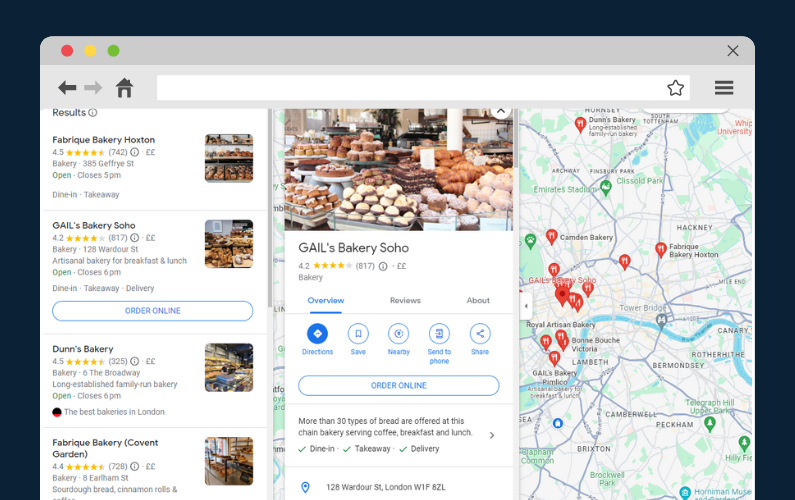
Google Business Profiles are not static assets. Profiles that receive regular updates tend to perform better.
Posting updates, adding photos, and answering questions shows both users and search engines that your business is active. This ongoing activity supports higher engagement and improved map visibility.
Hotels benefit from consistent visual storytelling. Professional interior and exterior photography helps guests understand what to expect and increases profile engagement.
Keeping check-in details accurate and monitoring for duplicate listings also prevents confusion and protects ranking stability. Over time, consistency builds trust.
Reviews influence both ranking and conversion. Search engines use review quantity, quality, and recency as signals, while travelers use them to make decisions.
Actively requesting reviews after a stay and responding professionally to feedback demonstrates accountability. According to research from BrightLocal, reviews remain one of the strongest local ranking factors across hospitality categories.
Beyond major platforms, local tourism boards and chambers of commerce provide additional authority. These hyper-local listings reinforce geographic relevance and often drive referral traffic.
Search engines view these sources as trusted validators of local businesses.
Each listing should be claimed manually and optimized individually. Avoid copying descriptions across platforms. Unique content improves trust and prevents dilution.
Consistency in name, address, and phone number across all listings remains critical.
Consistent NAP data helps search engines confidently associate your business with a single location. Inconsistent information creates uncertainty, which can suppress visibility.
Maintaining consistency improves map rankings, voice search accuracy, and overall trust signals.
Local SEO success should be tied to business outcomes, not just rankings. Direction requests, phone calls, and booking conversions matter more than vanity metrics.
Tracking these indicators helps hospitality operators understand what is working and where to focus next.
Hotels and restaurants should monitor Google Business Profile insights, local organic traffic, review trends, and conversion actions like calls and directions.
These metrics reveal how visibility translates into real-world results.
Google Analytics helps identify which pages drive local conversions, while Search Console reveals how users are finding your site.
Used together, these tools surface keyword opportunities and content gaps. Guidance from Google Search Central and industry analysis from Moz remain valuable references when interpreting this data.
Local SEO is no longer about visibility alone. It is about capturing intent at the exact moment customers are ready to act.
For hotels and restaurants, seo for hospitality businesses near me is one of the most sustainable ways to drive direct bookings and reduce reliance on third-party platforms.
At Sidekicks, we help hospitality brands translate local visibility into measurable growth. If you are ready to strengthen your local presence and compete where it matters most, we would love to help.
Visit sidekicksteam.com/lets-talk to start the conversation.
Your business deserves marketing that supports growth instead of creating more work. Whether you’re trying to stay consistent, planning something new, or looking to scale what’s already working, Sidekicks helps take execution off your plate with a clear, dependable process.
If it makes sense, we’ll talk through your goals and see how we can help.
Book a free 30-minute discovery call to walk through where you are, where you want to go, and whether working together is the right next step.
