


Social media has evolved into one of the most influential revenue channels in ecommerce. It is no longer just a place to build brand awareness or post lifestyle content. Today, social platforms shape how customers discover products, validate purchasing decisions, and decide which brands deserve their loyalty.
For ecommerce brands, social media sits at the intersection of content, community, and conversion. It influences first touch, supports mid-funnel education, and often closes the sale through paid media, retargeting, or direct social commerce features.
This guide breaks down the most effective social media marketing strategies for ecommerce, going beyond generic advice to explore how winning brands actually use social platforms to drive measurable growth. You will learn how to choose the right platforms, design content that converts, run profitable ads, build influencer systems, and measure performance using data that matters.
Not every social platform delivers value in the same way. One of the most common mistakes ecommerce brands make is trying to be everywhere at once. This spreads resources thin and makes it difficult to build momentum on any single channel.
The best platform for your ecommerce business is the one that aligns with how your customers discover products, research options, and make purchasing decisions.
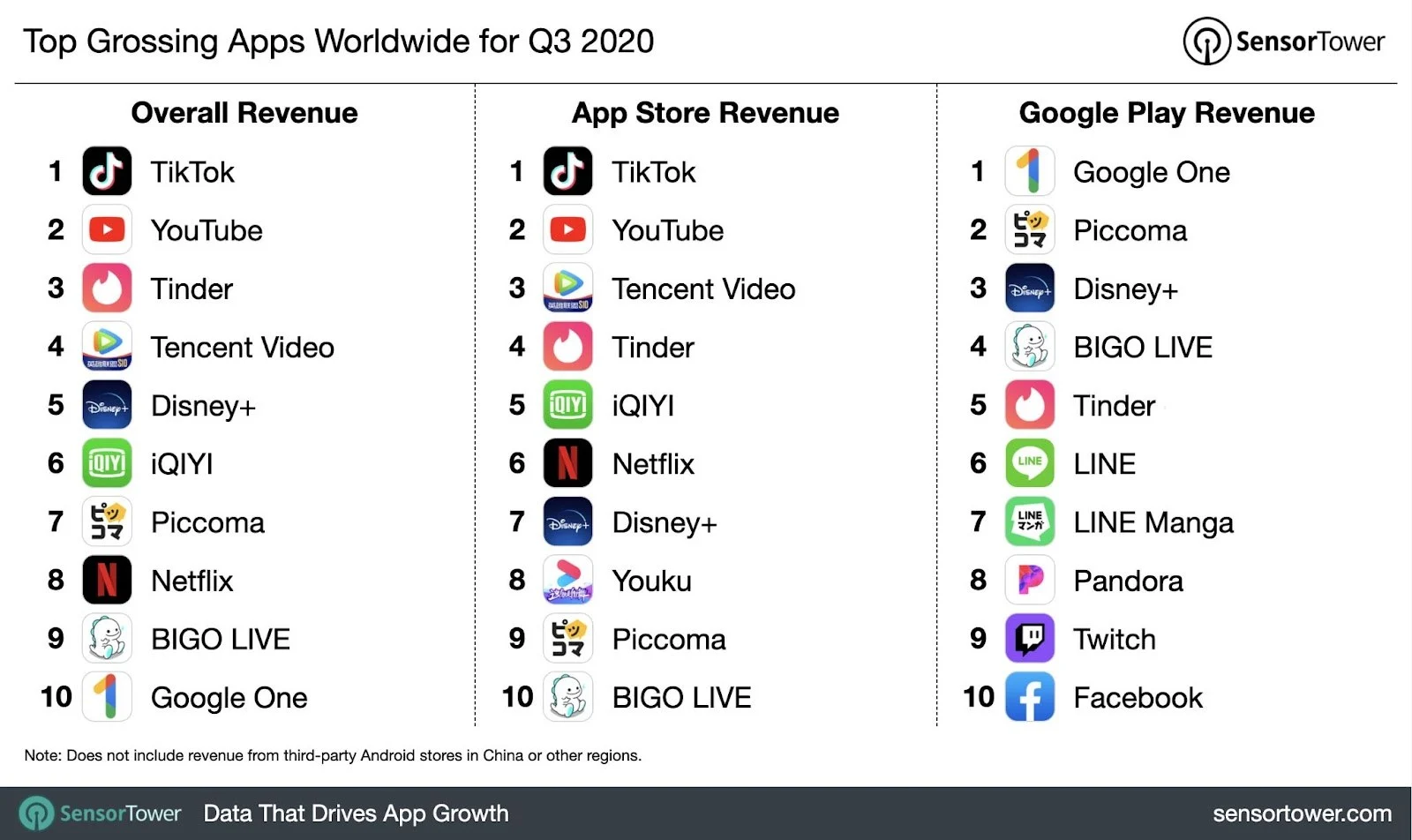
Rather than asking “Which platform is the biggest?”, a better question is “Which platform matches my buyer’s intent and behavior?”
Each major platform plays a different role in the ecommerce customer journey.
Instagram consistently drives high purchase intent for ecommerce brands. It performs especially well for lifestyle-driven categories such as fashion, beauty, fitness, wellness, and food. Visual storytelling, Reels, and shopping tags allow users to move from inspiration to checkout quickly. For many brands, Instagram is both a discovery channel and a conversion engine.
Facebook remains one of the strongest platforms for ecommerce advertising, particularly for retargeting and catalog-based campaigns. While organic reach has declined, paid Facebook ads are still highly effective for scaling proven offers, re-engaging past visitors, and driving repeat purchases.
TikTok excels at product discovery and impulse purchases. Brands that succeed here understand that content must feel native, raw, and creator-led. Highly polished ads often underperform compared to authentic videos that blend seamlessly into the feed. TikTok is especially powerful for emerging brands looking to break through without massive budgets.
Pinterest users often browse with intent to plan or purchase. This makes it an underrated platform for ecommerce brands in home, fashion, food, DIY, and event-driven categories. Content here has a longer shelf life than most social platforms, making it valuable for evergreen discovery.
YouTube supports deeper product education and long-term conversion. It works well for brands with complex products, higher price points, or strong storytelling. Product reviews, tutorials, and comparisons can influence buyers weeks or months after initial exposure.
Instead of guessing, ecommerce brands should make platform decisions using a simple strategic filter:
Most ecommerce brands perform best by focusing on one primary platform and one secondary platform before expanding. Mastery beats presence. Once a system is working, it becomes far easier to replicate success elsewhere.
Organic content builds trust and credibility. Paid ads create scale and predictability. The strongest ecommerce strategies combine both into a single system rather than treating them as separate efforts.
Organic content identifies what resonates. Paid ads amplify what converts.
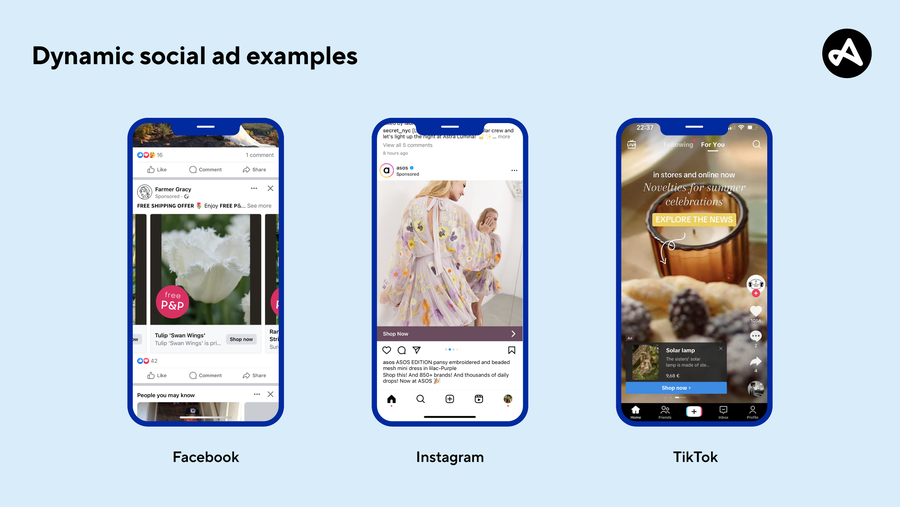
Across platforms, high-performing ecommerce ads share common traits:
Short-form video ads that feel native to the platform Carousel ads that highlight multiple benefits or products Dynamic product ads connected to live product catalogs Retargeting ads for site visitors and cart abandoners Creator-style ads featuring real people using the product
Ads that look like content almost always outperform ads that look like commercials. Modern consumers are highly skilled at ignoring anything that feels overtly promotional.
A simple paid social framework that works for most ecommerce brands includes three budget buckets:
Prospecting to reach new audiences Retargeting to re-engage warm traffic Retention to drive repeat purchases
Early on, brands should favor broader targeting and allow algorithms to learn. Over-segmenting too soon often limits performance. Retargeting should focus on users who have demonstrated intent through site visits, video views, or engagement.
Scaling should be gradual. Sudden budget spikes often disrupt delivery and performance. Consistency compounds results over time.
Engagement is not a vanity metric when used correctly. Comments, shares, saves, and direct messages all signal trust and buying intent. Platforms reward brands that create meaningful interaction rather than passive consumption.
Content that drives engagement typically falls into a few proven categories:
Behind-the-scenes brand moments Product education and demonstrations User-generated content and testimonials Founder or team stories Trend-based short-form videos adapted to brand voice
The goal is not to post more promotions. It is to start conversations that make your brand feel human and approachable.
Ecommerce brands that build loyalty treat social media as a two-way channel.
Responding quickly to comments and DMs builds trust. Reposting customer content reinforces community. Asking simple, relevant questions invites participation. Sharing customer wins makes buyers feel seen. Maintaining a consistent posting cadence builds familiarity.
Social platforms reward brands that behave like people, not billboards.

Influencer marketing works because it transfers trust. Instead of brands telling consumers why a product is great, creators demonstrate it in a context audiences already trust.
When done correctly, influencer content often outperforms traditional brand ads.
For most ecommerce brands, micro-influencers deliver the strongest return on investment. Smaller audiences often mean higher engagement, greater authenticity, and lower costs.
Influencers with highly engaged niche audiences frequently outperform creators with massive but less focused followings. Relevance consistently beats reach.
The most effective influencer programs prioritize relationships over transactions.
Long-term partnerships outperform one-off posts. Creative freedom produces better content than rigid scripts. Clear expectations prevent misalignment. Repurposing influencer content for paid ads multiplies ROI.
High-performing brands treat influencers as content partners, not just distribution channels.
For brands starting from scratch, the key is to focus on fundamentals rather than chasing every trend. Consistency, clarity, and measurement matter more than novelty.
Every ecommerce brand should define clear goals tied to business outcomes:
Website traffic from social Conversion rate from social traffic Revenue attributed to social ads Engagement rate by content format Customer acquisition cost
Clear goals guide smarter creative, better targeting, and more effective spend allocation.
Most ecommerce teams rely on a core set of tools to stay efficient:
Meta Ads Manager for paid campaigns Klaviyo for retargeting and retention Scheduling tools like Hootsuite or Later Native analytics for platform-specific insights
The right tools reduce friction, improve consistency, and enable faster optimization.
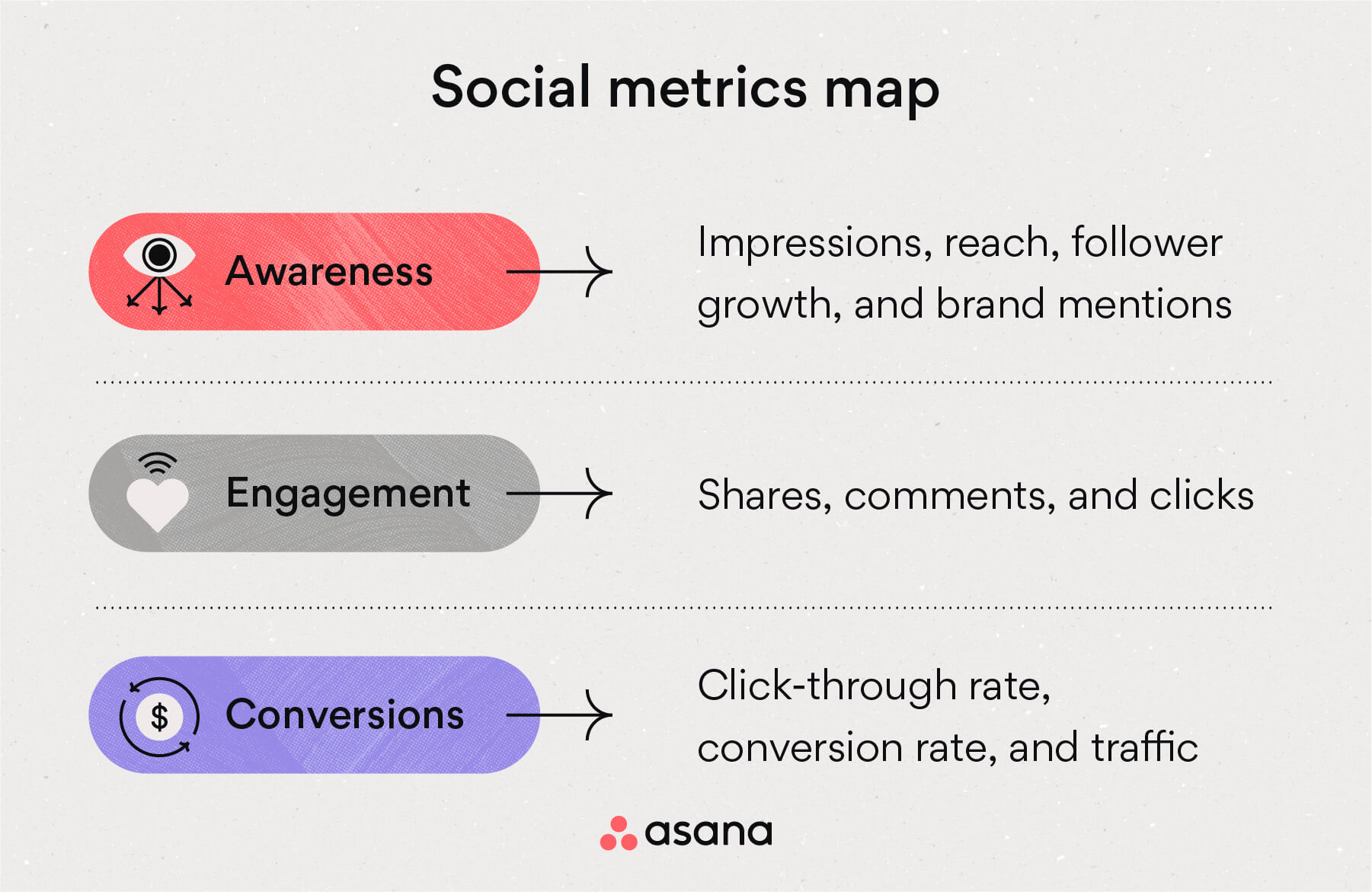
If you are not measuring performance, you are guessing. Social media success should be evaluated through the lens of revenue and customer behavior, not surface-level engagement.
Metrics that deserve attention include:
Click-through rate Conversion rate Cost per acquisition Return on ad spend Assisted conversions Engagement rate by format
Likes and followers matter far less than sales and customer lifetime value.
Data becomes powerful when it informs action:
Identify top-performing content formats Double down on winning creatives Pause underperforming ads quickly Test one variable at a time Review performance weekly, not monthly
Small, consistent optimizations compound into significant gains over time.
Social media marketing for ecommerce works best when it blends content, community, and conversion into a single system. The brands that win do not chase every new trend. They build repeatable processes that attract the right audience, earn trust, and convert attention into revenue.
Social media is no longer optional for ecommerce growth. When executed strategically, it becomes one of the most scalable and defensible channels in a brand’s marketing mix.
Ready to turn social media into a real growth channel for your ecommerce brand?
Talk to Sidekicks and let us build a social media strategy that converts attention into sales.
Your business deserves marketing that supports growth instead of creating more work. Whether you’re trying to stay consistent, planning something new, or looking to scale what’s already working, Sidekicks helps take execution off your plate with a clear, dependable process.
If it makes sense, we’ll talk through your goals and see how we can help.
Book a free 30-minute discovery call to walk through where you are, where you want to go, and whether working together is the right next step.
